BLOG
Preparing a Gravel Driveway Base for Properties in Tatura and Toolamba
A gravel driveway performs best when it is built on a well prepared foundation. While the finished gravel surface is the most visible part of the driveway, the layers beneath it determine how well it handles traffic, rainfall, and changing ground conditions. Throughout Tatura and Toolamba, soil type, drainage, and vehicle use all influence how a driveway base should be prepared to reduce future maintenance.
A properly prepared base helps limit rutting, surface movement, potholes, and water pooling while extending the life of the driveway.
Start with a Stable Subgrade
The subgrade is the natural ground beneath the driveway and provides the foundation for every layer above it. Before any base material is added, loose topsoil, vegetation, and organic matter should be removed to expose firm ground.
If soft or unstable sections remain beneath the driveway, they may settle over time and create uneven areas on the finished surface. In parts of Tatura and Toolamba, reactive clay soils can also expand and contract as moisture levels change, making proper ground preparation especially important.
Where weak ground is identified, additional excavation and replacement with suitable material may be necessary before construction continues.
Drainage Should Be Planned First
Poor drainage is one of the main reasons gravel driveways develop potholes and uneven surfaces. Water that remains on the driveway gradually softens the base, allowing gravel to move under vehicle traffic.
A slight crossfall or crown helps direct rainwater away from the driving surface. Side drains or table drains may also be required on longer driveways or rural properties where runoff needs to be managed over greater distances.
Planning drainage before placing gravel helps minimise erosion and reduces the frequency of future maintenance.
Selecting the Right Base Material
Not all gravel is suitable as a driveway foundation. The base layer is generally constructed using well graded crushed rock that compacts tightly to create a solid platform.
Materials containing a combination of larger aggregate and fine particles lock together more effectively during compaction than rounded river stone or decorative gravel. Once the base has been compacted, the surface layer can be selected according to the property's appearance and expected vehicle use.
Using suitable materials in each layer improves stability and helps the driveway withstand regular traffic.
Proper Compaction Improves Longevity
Compaction is one of the most important stages of driveway construction. Each layer should be compacted before the next is added to reduce air pockets and strengthen the overall structure.
The effectiveness of compaction depends on the moisture content of the material. Gravel that is too dry or excessively wet may not compact to its full strength, reducing the performance of the finished driveway.
Adequate compaction creates a denser base that is better able to support vehicle loads while resisting settlement over time.
Ongoing Maintenance Protects the Driveway
Even a well constructed gravel driveway requires occasional maintenance. Traffic gradually redistributes surface gravel, while heavy rainfall can create minor erosion or wash loose material into low areas.
Regular inspections allow small issues to be corrected before they develop into larger repairs. Regrading the surface when required, maintaining drainage channels, and replacing lost gravel all help preserve the driveway's condition.
For properties throughout Tatura and Toolamba, a well prepared base combined with routine maintenance provides a gravel driveway that remains stable and functional for many years.



DISCOVER WHAT OUR CUSTOMERS HAVE TO SAY ABOUT US
REVIEWS
REVIEW US ON GOOGLE
our process
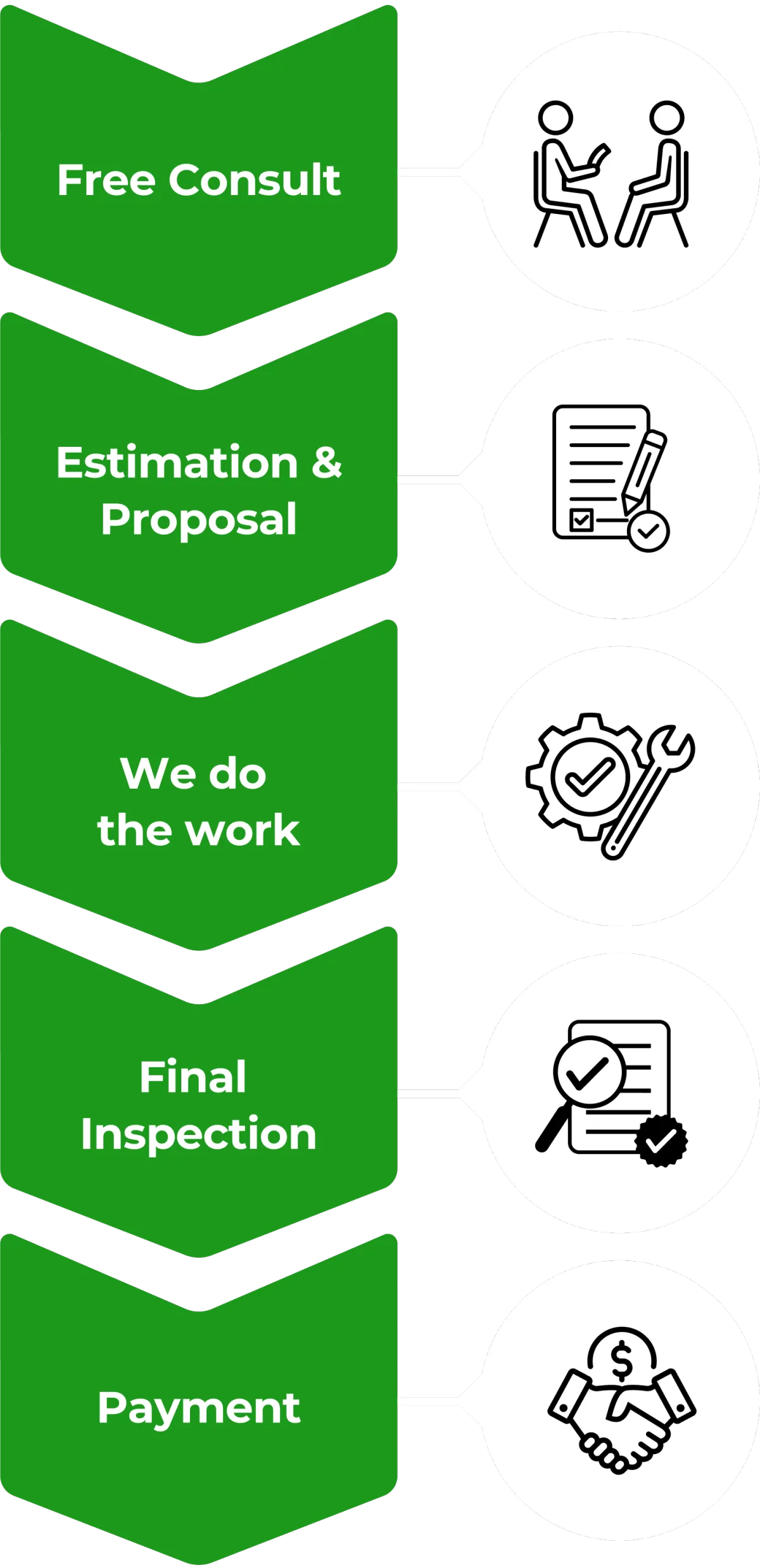
Our process is simple and only contains a few simple steps

READY TO take the next step?
get a free quote TODAY!

