BLOG
Complete Guide to Mini Excavation for Shepparton Homes and Rural Properties
Mini excavation has become a practical solution for many residential and rural projects throughout Shepparton. Compact excavators can complete work in areas where larger machinery cannot safely or efficiently operate, making them suitable for established backyards, acreage properties, new home sites, and farming blocks. Choosing the right excavation method depends on more than the size of the project. Ground conditions, site access, underground services, and the intended use of the land all influence how excavation work should be planned.
Why Mini Excavators Suit Many Shepparton Properties
Many properties around Shepparton include narrow side access, existing gardens, fences, sheds, or established landscaping that limits the use of large machinery. Mini excavators are designed to work within these confined spaces while causing less disturbance to surrounding areas.
They are commonly used on residential blocks where access is limited, as well as larger rural properties requiring precise excavation around buildings, trees, water tanks, or boundary fences. Their smaller footprint also reduces ground disturbance, particularly when working on finished lawns or landscaped areas.
Soil Conditions Can Influence Excavation Methods
The Goulburn Valley contains a mix of clay, sandy loam, and alluvial soils. These ground conditions affect how easily soil can be excavated and whether additional preparation is required before work begins.
Heavy clay soils often become hard during extended dry periods and soft after rainfall. Wet clay can stick to machinery and make excavation slower, while dry clay may require greater digging force. Sandy soils generally drain better but can become unstable if excavated without proper support. Understanding these conditions helps determine the safest and most efficient approach for each site.
Common Projects That Require Mini Excavation
Mini excavation is suitable for a wide range of property improvements where precision is more important than moving large volumes of material.
Common applications include preparing ground for landscaping projects, creating trenches for underground services, removing unwanted vegetation, excavating small foundations, preparing gravel driveway bases, digging post holes, and reshaping uneven land to improve drainage.
Because compact machines are highly manoeuvrable, they can often complete these tasks without removing fences or damaging nearby structures.
Site Preparation Before Excavation Begins
Preparing the site before excavation reduces delays and helps avoid unnecessary problems during the project.
Property owners should identify access points for machinery, remove loose materials from the work area, and ensure pets and vehicles are kept clear of the site. Existing irrigation systems, septic infrastructure, retaining walls, and mature tree roots should also be considered during planning.
Before any digging takes place, underground services such as electricity, gas, water, sewer, and telecommunications should always be identified. This reduces the risk of damaging essential infrastructure and improves site safety throughout the excavation process.
Choosing the Right Excavation Approach
Every property presents different challenges. Factors such as site access, soil conditions, drainage, nearby structures, and the purpose of the excavation all influence how the work is carried out.
A small trench for underground services requires a different approach from preparing a building pad or levelling an outdoor area. Selecting suitable equipment and planning the excavation around the site's conditions helps achieve accurate results while minimising unnecessary ground disturbance.
Understanding these factors allows property owners to better prepare for excavation projects and helps ensure the work progresses efficiently across residential and rural properties throughout Shepparton.
DISCOVER WHAT OUR CUSTOMERS HAVE TO SAY ABOUT US
REVIEWS
REVIEW US ON GOOGLE
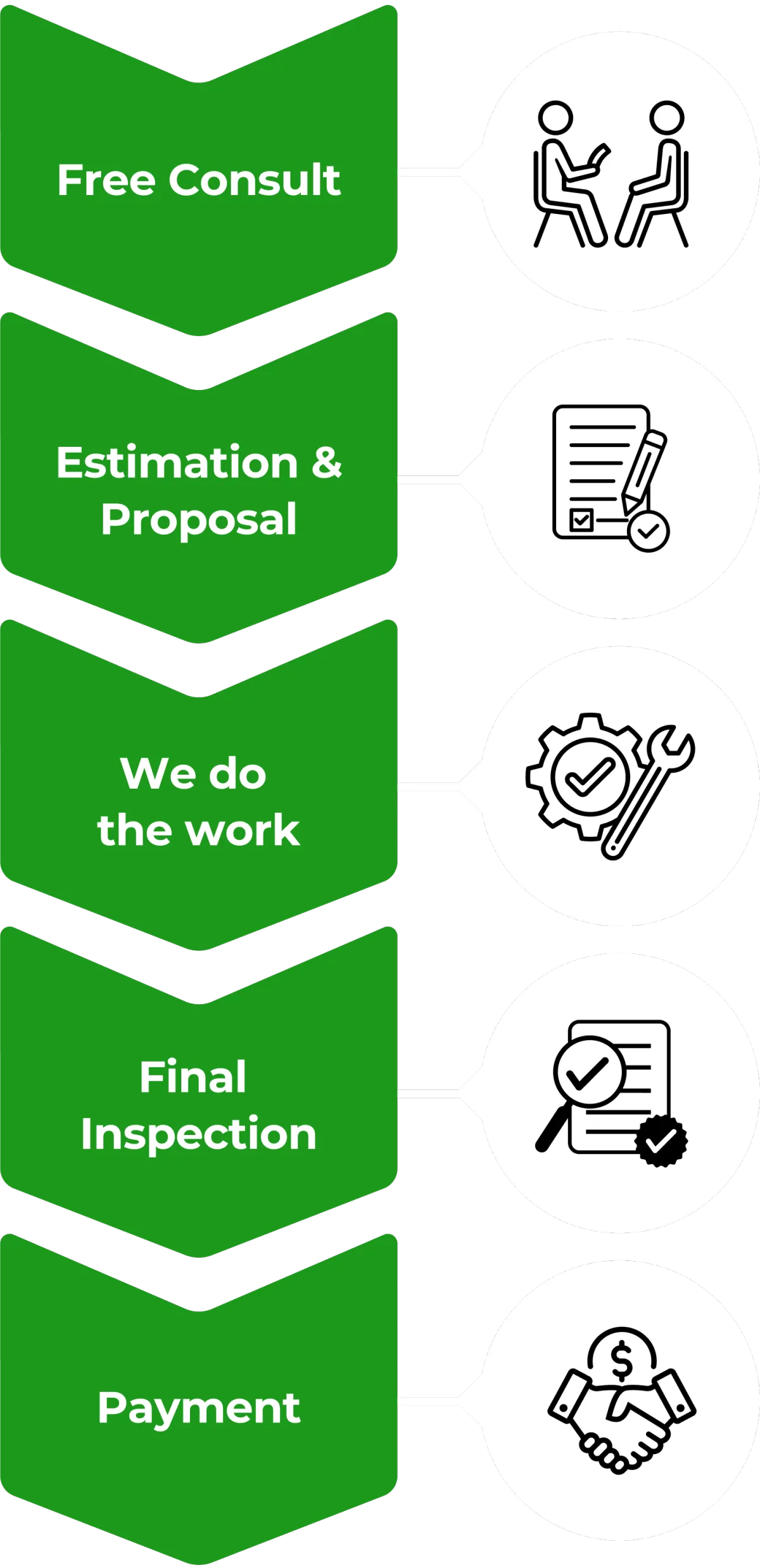
our process
Our process is simple and only contains a few simple steps

READY TO take the next step?
get a free quote TODAY!

