BLOG
Why Soil Conditions Affect Site Levelling in Kialla and Shepparton
A level site provides a stable foundation for landscaping, driveways, sheds, and outdoor improvements, but achieving a lasting result depends on more than simply moving soil. Throughout Kialla and Shepparton, local ground conditions play a significant role in how land should be prepared and compacted. Soil type, moisture levels, drainage, and previous land use can all affect the finished surface and its long term performance.
Understanding these conditions before levelling begins helps reduce future problems such as uneven settling, water pooling, and surface movement.
Clay Soils Behave Differently Throughout the Year
Large parts of Kialla and Shepparton contain reactive clay soils. These soils expand when they absorb moisture and shrink as they dry out. During wetter months, the ground may become soft and difficult to compact properly, while prolonged dry periods can cause cracking and movement beneath the surface.
If these natural changes are not considered during site preparation, the finished level may not remain consistent over time. Areas that appear stable immediately after levelling can gradually settle or shift as seasonal moisture changes occur.
Understanding how local clay soils respond to changing weather conditions helps determine when levelling work can be carried out most effectively.
Drainage Has a Direct Impact on Surface Stability
A level block should not prevent water from draining naturally. If surface levels are created without considering water flow, rainwater can collect against buildings, around fences, or in low sections of the yard.
Many properties in the Goulburn Valley experience periods of heavy rainfall followed by extended dry conditions. Poor drainage during wet weather can soften the ground, while repeated drying causes further soil movement.
Correct grading allows water to move away from structures while maintaining a usable outdoor surface. Even small changes in surface levels can significantly improve drainage across residential and rural properties.
Previous Land Use Can Affect Ground Preparation
Not every block contains undisturbed natural soil. Many residential and rural properties have areas that were previously filled, excavated, or used for construction activities.
Filled ground often settles differently from natural soil, particularly if it was not compacted when originally placed. Old garden beds, demolished structures, buried tree roots, and former driveways can also create inconsistent ground conditions beneath the surface.
Identifying these areas before levelling allows additional preparation where needed and reduces the likelihood of uneven settlement after the project is completed.
Proper Compaction Creates a More Stable Surface
Moving soil into position is only one part of site levelling. Compaction helps remove air pockets within the soil, increasing its strength and reducing future settlement.
The amount of compaction required depends on soil type, moisture content, and the intended use of the area. A section that will support a gravel driveway requires different preparation from an area that will be landscaped or turfed.
Compacting soil when it is too wet or too dry can reduce its effectiveness. Achieving suitable moisture levels before compaction helps create a firmer and more stable base.
Planning for Long Term Ground Performance
Site levelling is most effective when local conditions are considered before machinery begins work. Soil behaviour, drainage patterns, previous land use, and seasonal moisture all influence how the finished surface will perform over time.
Across Kialla and Shepparton, careful planning and an understanding of local ground conditions help create outdoor areas that remain more stable through changing seasons. Taking these factors into account before levelling begins reduces the likelihood of future movement and provides a stronger foundation for landscaping and property improvements.



DISCOVER WHAT OUR CUSTOMERS HAVE TO SAY ABOUT US
REVIEWS
REVIEW US ON GOOGLE
our process
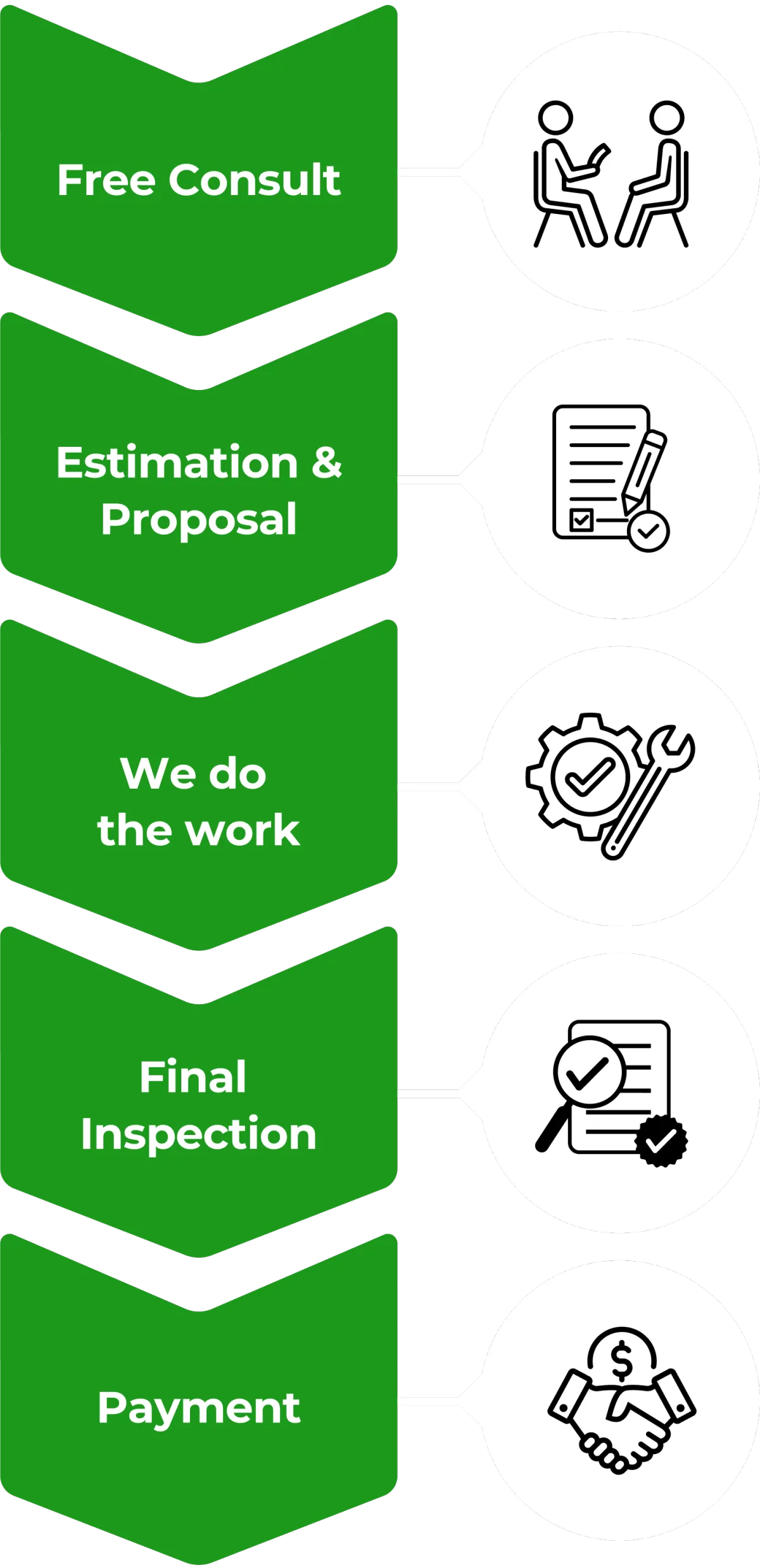
Our process is simple and only contains a few simple steps

READY TO take the next step?
get a free quote TODAY!

