BLOG
Common Trenching Problems on Mooroopna Properties with Clay Soil
Trenching is required for many residential, rural, and agricultural projects, including the installation of water pipes, electrical conduits, drainage systems, and irrigation infrastructure. While digging a trench may appear straightforward, the ground conditions found around Mooroopna can create challenges that affect both the excavation process and the long term performance of the installation.
Heavy clay soils, seasonal rainfall, and established irrigation networks are common throughout the area, making careful planning essential before excavation begins.
Heavy Clay Soils Can Reduce Trench Stability
Clay is one of the most common soil types around Mooroopna. Unlike sandy soils that drain relatively quickly, clay retains moisture for longer periods and changes significantly as weather conditions change.
After rainfall, saturated clay becomes heavy and sticky, making excavation slower while increasing the chance of trench walls collapsing. During dry periods, the same soil can become extremely hard, requiring additional effort to excavate cleanly.
These changing conditions influence trench depth, wall stability, and the overall excavation method required for different sites.
Existing Irrigation Systems Require Extra Care
Many rural and semi rural properties around Mooroopna rely on irrigation systems for gardens, orchards, paddocks, or agricultural activities. Some irrigation pipes may be visible, while older infrastructure can remain buried without clear surface indicators.
Excavating without identifying these services increases the risk of damaging underground pipes, causing water loss, unnecessary repairs, and delays to the project.
Reviewing property plans where available and locating existing services before excavation helps reduce these risks.
Poor Drainage Can Create Ongoing Problems
A trench is designed to support underground infrastructure, but poor drainage around the excavation can shorten the lifespan of the installation.
Clay soils naturally drain more slowly than sandy soils. Water can collect inside trenches after heavy rain, softening the surrounding ground and making backfilling more difficult. Excess moisture may also contribute to soil movement once the trench has been reinstated.
Planning for drainage before excavation begins helps reduce future settling and improves the performance of underground services.
Underground Services Must Always Be Considered
Before any trenching work begins, it is essential to identify underground utilities that may already exist beneath the site. Water, electricity, gas, sewer, and telecommunications services can all be present, even where there are few visible signs above ground.
Accidentally striking one of these services can interrupt essential utilities, create safety hazards, and lead to expensive repairs. Confirming service locations before excavation is a critical step for both residential and rural projects.
Ground Conditions Change Across Every Property
Even within the same property, soil conditions can vary considerably. One section may contain firm natural ground, while another may include old fill, buried roots, compacted gravel, or previous excavation work.
These differences influence how easily the trench can be excavated, how stable the walls remain, and how the trench should be backfilled once underground services have been installed.
Understanding local soil conditions before excavation allows trenching work to be planned more effectively and helps reduce avoidable issues throughout the project.
DISCOVER WHAT OUR CUSTOMERS HAVE TO SAY ABOUT US
REVIEWS
REVIEW US ON GOOGLE
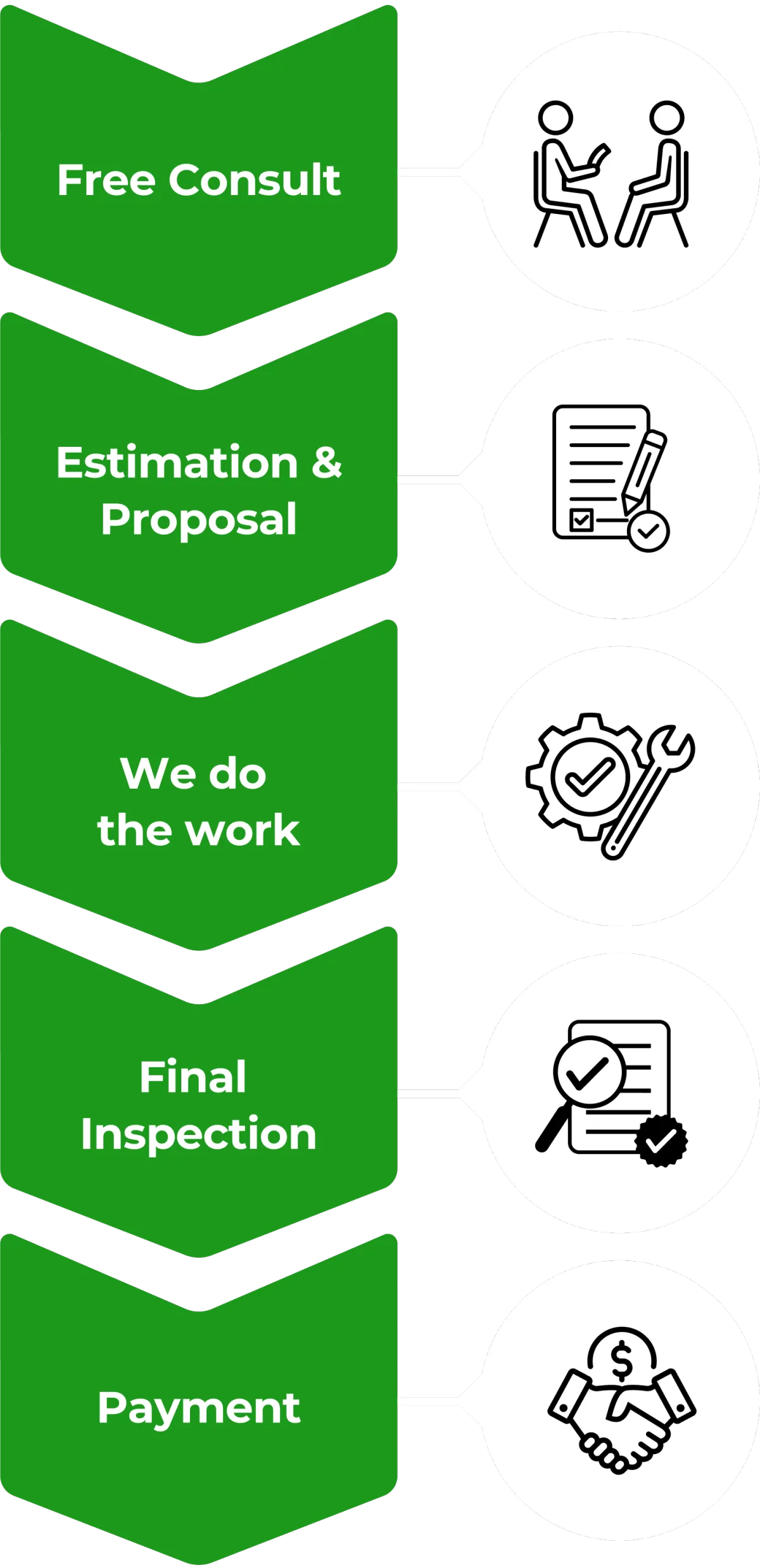
our process
Our process is simple and only contains a few simple steps

READY TO take the next step?
get a free quote TODAY!

