
BLOG
Understanding Underground Service Checks Before Excavation in Victoria
Excavation is part of many residential, commercial, and rural projects, but digging without first identifying underground infrastructure can create serious safety risks and costly damage. Across Victoria, buried services such as electricity, gas, water, sewer, telecommunications, and stormwater assets may be present beneath private properties, roads, and easements.
Whether the project involves trenching, post hole digging, landscaping, or general earthworks, checking for underground services should always be one of the first steps before machinery enters the site.
What Underground Services May Be Present?
Many property owners know where visible utility connections enter their property, but the exact location of buried infrastructure is often unknown. Over time, additional services may have been installed, relocated, or extended during renovations and property improvements.
Common underground services include:
Electrical cables
Gas mains and consumer gas lines
Water supply pipes
Sewer and stormwater pipes
Telecommunications and internet cables
Irrigation systems on rural and residential properties
Some services may be buried at relatively shallow depths, making them vulnerable during excavation.
Why Underground Service Checks Matter
Striking an underground service can have immediate and long term consequences. Damage to electrical cables or gas lines can create serious safety hazards, while broken water or sewer pipes may interrupt essential services and require extensive repairs.
Even minor excavation projects can expose buried infrastructure if the location has not been confirmed beforehand. Repair costs often exceed the time required to complete proper service checks before work begins.
Planning ahead also reduces unexpected delays that may occur if damaged utilities need to be repaired before excavation can continue.
Dial Before You Dig Has Been Replaced
Many Australians are familiar with the former Dial Before You Dig service. This system has now been replaced by Before You Dig Australia, which provides information from participating utility owners about the approximate location of underground assets before excavation begins.
Property owners and contractors can request plans for the proposed excavation area to identify many underground services before work starts. While these plans provide valuable guidance, they do not always show privately installed infrastructure such as irrigation systems, private electrical cables, or undocumented pipework.
For this reason, additional site assessment may still be required.
Private Services Can Be Just as Important
Utility plans generally focus on publicly owned infrastructure, but many properties contain privately installed services that will not appear on official records.
Examples include:
Garden irrigation systems
Electrical cables supplying sheds or workshops
Water lines to tanks or troughs
Drainage installed during landscaping projects
Lighting cables beneath driveways or gardens
Property owners should consider any previous building or landscaping work that may have introduced underground infrastructure before excavation begins.
Safe Excavation Starts with Good Planning
Every excavation project is different, but identifying underground services remains one of the most important planning steps regardless of the job size. Understanding what may be beneath the ground allows excavation work to be carried out more safely while reducing the risk of damaging essential infrastructure.
Across Victoria, taking the time to confirm underground service locations before digging helps protect people, nearby property, and existing utilities while allowing excavation projects to proceed with fewer unexpected interruptions.


DISCOVER WHAT OUR CUSTOMERS HAVE TO SAY ABOUT US
REVIEWS
REVIEW US ON GOOGLE
our process
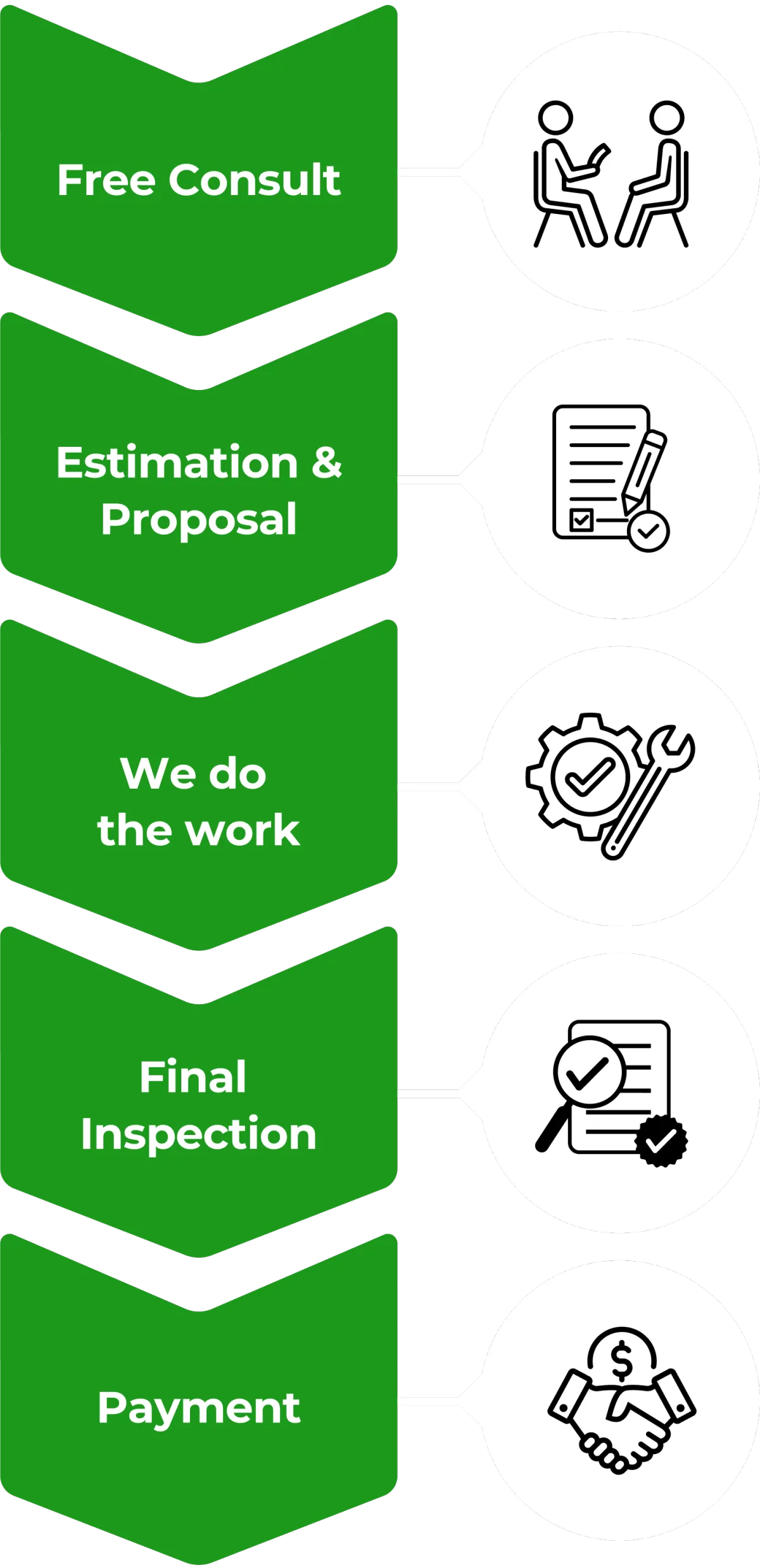
Our process is simple and only contains a few simple steps

READY TO take the next step?
get a free quote TODAY!

